Village loop
Roughly 1–1.5 miles before shop and museum detours

Danish village · Santa Ynez Valley
Old Mission Santa Inés came first, Danish-American settlers founded Solvang in 1911, and the recognizable Danish-village façade program began in 1946. Museums, bakeries, windmills, and Copenhagen Drive reveal those different chapters.
Solvang village walking map
The loop links Copenhagen Drive, a bakery stop, the history museum, and Old Mission Santa Inés. It separates Solvang's compact pedestrian core from the vineyards and towns that require a car.
Village loop
Roughly 1–1.5 miles before shop and museum detours
Best window
Morning or late afternoon for easier sidewalks
Car boundary
Wine-country stops begin after the walking loop

Start in the village
Old Mission Santa Inés was founded in 1804. Danish-American settlers established Solvang beside it in 1911. After World War II, local leaders began reshaping the commercial center as a Danish village in 1946. Copenhagen Drive's windmills and façades are a tourism-era expression of Danish identity, while Elverhøj Museum preserves the settlement story and the mission represents an older California past.
The village walk
Postwar village core
Copenhagen Drive carries the half-timbered storefronts, windmills, bakeries, and shops associated with modern Solvang. Most of this visual identity comes from the Danish-village redesign that began in 1946, not from untouched 1911 buildings.
Danish food tradition
Solvang bakeries serve aebleskiver, kringle, butter cookies, and laminated pastries. Choose one bakery for breakfast; stop at another for a pastry box to take home.
Solvang history
Elverhøj Museum explains the town's Danish-American history and displays art in a building inspired by an eighteenth-century Danish farmhouse. Its exhibits connect the 1911 settlement with the commercial village that followed.
Weather-dependent ride
The horse-drawn trolley offers a short orientation through the village and is a useful choice for families or visitors with limited walking range. Service depends on weather, horses, and current operating hours, so confirm with the operator first.
Founded in 1804
Old Mission Santa Inés predates Solvang by 107 years. Its church, museum collections, gardens, and Chumash and Spanish colonial history belong to a separate historical chapter; check the official visitor notice for closures before going.
Copenhagen Drive
Look closely at the half-timbered façades, carved details, windmills, courtyards, and bakery fronts, but do not mistake them for a preserved nineteenth-century European town. The coordinated Danish-village identity began in 1946 and continued through later commercial growth. Elverhøj Museum and Old Mission Santa Inés provide the longer record.

One day in historical order
Bakery breakfast, Copenhagen Drive, and the windmill corners before continuing to Elverhøj Museum or the Hans Christian Andersen Museum.
Elverhøj Museum, the Hans Christian Andersen Museum, or Old Mission Santa Inés, followed by lunch in the village.
A focused Santa Ynez Valley tasting route, California Nature Art Museum, or more time with the village's courtyards and shops.
Dinner followed by Copenhagen Drive and Mission Drive after the shops close and the illuminated façades become easier to see.


Pastry, mission, dinner
Order the aebleskiver with jam and powdered sugar for breakfast or a midmorning snack.
Cookies and kringle travel well. Bring a box back to the hotel or save it for the drive home instead of adding another full bakery stop.
After the Danish-village morning, dinner can lean more Central Coast than theme town: local ingredients, Santa Barbara County wine, and a reserved table.
Stay the night
Copenhagen Drive and Mission Drive are easy to revisit after the shops close, when the windmills and façades are illuminated and the sidewalks are less crowded. A central hotel also keeps bakeries, museums, tasting rooms, and dinner within walking distance.
A village hotel keeps Copenhagen Drive, dinner, and the next morning's bakery breakfast within walking distance.
Hotel Ynez and valley-side stays suit travelers who want Solvang close but prefer larger grounds and less street noise than the central blocks.
Check room availability early for Danish Days, holiday weekends, wine events, and busy spring Saturdays.

Easy mistakes

Give the village a half day if you only want bakeries, windmills, shops, and a short walk. Stay overnight if you want the quieter evening, a better dinner, and a wine-country afternoon without rushing.
An overnight stay leaves time for dinner and an evening walk after the shops close. Lodging near Copenhagen Drive also keeps breakfast, museums, and tasting rooms within walking distance.
Try early morning for bakery breakfast and lighter foot traffic, or return after dinner to see the illuminated storefronts.
Yes, but keep the pairing simple. Do the village in the morning, eat lunch, then choose a focused Santa Ynez or Los Olivos afternoon instead of squeezing tastings between every shop.
After the morning walk, the next good choice is usually close by: a Santa Ynez tasting afternoon, a reserved dinner, or a room within walking distance of Copenhagen Drive.
Before you go
Check current hours, events, tours, and ticket details before choosing the exact morning walk, mission stop, trolley ride, or wine-country afternoon.
Second Star gear guide
Historic Town & Museum Weekend
Walkable-town packing list
A sling, weather backup, notes, camera support, and local-book pieces for historic districts and museum weekends.
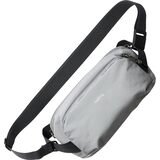
Compact Travel Sling Bag
$95.00

Travel Journals
$9.99

Camera Straps
$49.95